
Kaiju Profiles & Lineage
Every distinct canonical incarnation of this character across continuities.
Matango (Showa)
Matango (Showa)
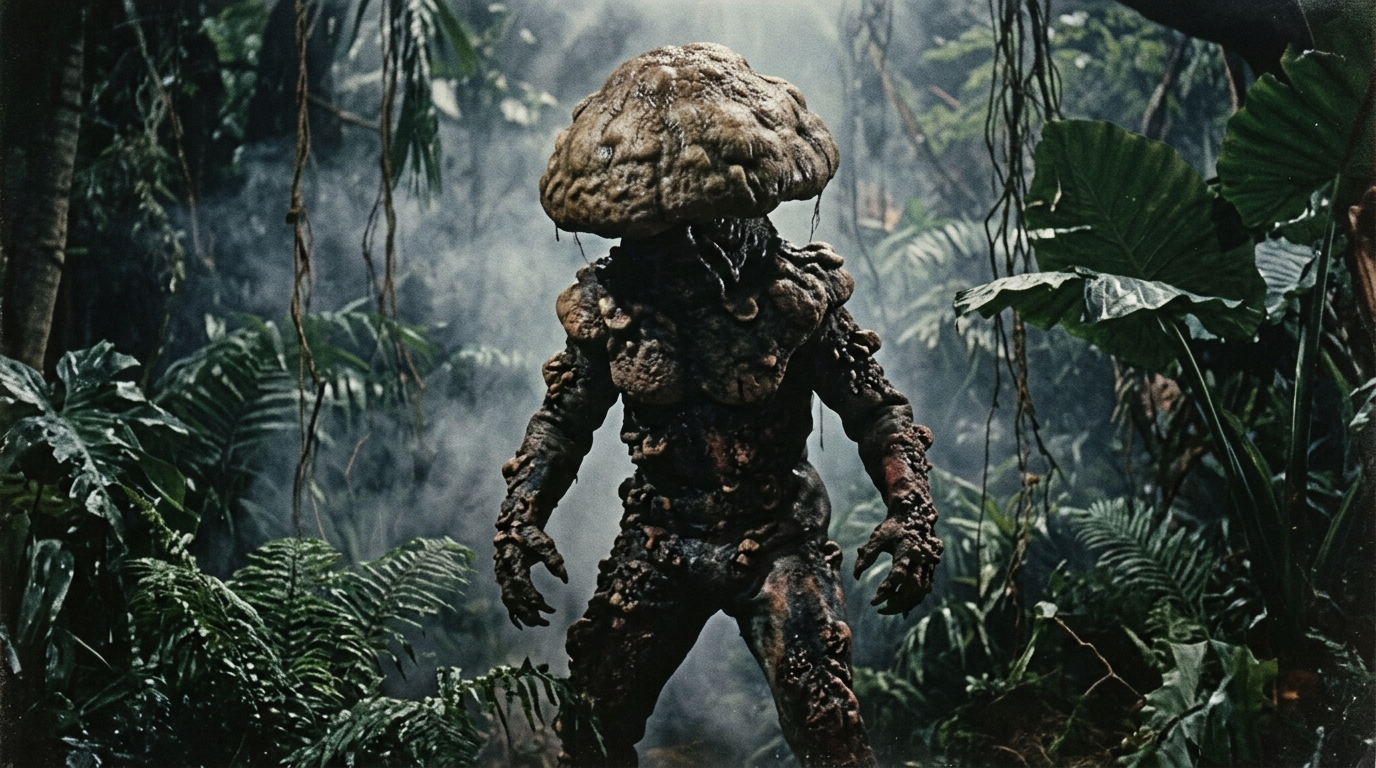
Matango of the Showa era (マタンゴ, Matango — The Mushroom People) stands as one of the most haunting, psychologically chilling, and conceptually brilliant bio-horror monsters in Toho's cinematic history, debuting in Ishirō Honda's 1963 psychological horror masterpiece *Matango* (*Attack of the Mushroom People*), with atmospheric visual artistry crafted by special effects wizard Eiji Tsuburaya. Adapted from William Hope Hodgson’s 1907 short story *The Voice in the Night*, the film boldly steered the tokusatsu genre away from colossal metropolitan rampages into the intimate dread of moral corruption, paranoia, and biological assimilation. Unlike giant radioactive reptiles, Matango is a species of mutated parasitic fungi indigenous to a perpetually fog-shrouded, uncharted tropical island in the South Pacific, hyper-accelerated by offshore atmospheric nuclear bomb tests. When a luxury yacht carrying seven bourgeois Tokyo socialites shipwrecks upon the island, starvation and ethical dissolution drive them to commit the ultimate taboo: consuming the forbidden giant mushrooms. Endowed with an irresistible succulence and psychotropic euphoric toxins, the fungus hijacks the host's nervous system, causing physical deformities, hysterical laughter, and an irreversible metamorphosis into walking fungal humanoids (Kinoko Ningen) absorbed into the island's eternal hive mind.
Appearances & Filmography
Film, television, and multimedia productions featuring this character.
Matango
Matango